
Planning a bathroom renovation in Toronto but want to know the damage to your wallet? How much will a bathroom renovation cost in Toronto in 2026? For most homeowners in Toronto, a full renovation can be anywhere from $15,000 to $30,000, though smaller updates can be had for less and higher-end overhauls will easily go beyond $30,000. According to current renovation cost guides, the final tally in Toronto really depends on the size of the bathroom, what kind of materials you choose, labour costs, plumbing, how much you want to change the layout, and the overall scope of the project.
In this guide, we’ll break down the average cost of a bathroom renovation in Toronto, different levels of renovation, popular upgrades to consider, how your choices on labour and materials will impact the price, permits, timelines, hidden costs, and some practical ways to keep your budget under control.
How Much Does a Bathroom Renovation Cost in Toronto?
A typical full bathroom renovation in Toronto costs around $15,000 to $40,000 in 2026. A simple cosmetic update will likely start around $8,000 to $15,000, while a mid-range renovation will probably fall in the $15,000 to $30,000 range. If you go for high-end, luxury-style renovations with custom features, premium materials, and major layout changes, your bill could easily reach $30,000 to $70,000 or more.
In the end it’s all about the bathroom size, the current condition of the bathroom, the materials you choose, fixtures, labour, plumbing, electrical work, waterproofing, and how much you want to customize things.
Average Bathroom Renovation Cost in Toronto
If you’ve got a standard bathroom in Toronto, a budget of $15,000 to $30,000 is a good starting point for a mid-range renovation. This might include demolition, waterproofing, tiles, flooring, a vanity, shower or bathtub, and all the fixtures and installation that go along with it.
A luxury ensuite with custom cabinetry, premium stone, heated flooring, frameless glass and plumbing changes will cost considerably more.
Bathroom Renovation Cost by Renovation Level
| Renovation Level | Estimated Cost | Typical Scope |
|---|---|---|
| Basic / Cosmetic | $8,000–$15,000 | Paint, vanity, fixtures, lighting and minor updates |
| Standard / Mid-Range | $15,000–$30,000 | Full renovation with standard tiles, vanity, shower or tub and fixtures |
| Premium | $30,000–$45,000 | Upgraded materials, premium fixtures and custom features |
| Luxury | $45,000+ | Custom cabinetry, high-end materials, luxury fixtures and major upgrades |
These are just rough estimates, not set-in-stone prices. Your actual costs can change significantly based on site conditions and the products you decide to go with.
What Is Included in a Bathroom Renovation?
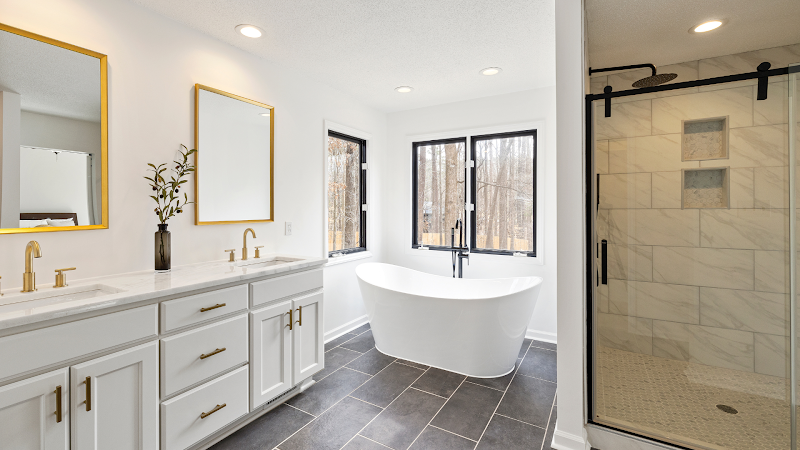
A bathroom renovation is a lot more than just new tiles and a replacement vanity. A full project will likely include demolition, plumbing, electrical work, waterproofing, flooring, fixtures, cabinetry, and finishing work.
Knowing what’s included in a contractor’s quote makes it a lot easier to compare contractors and avoid getting hit with any surprise charges.
Demolition and Disposal
The project might start with ripping out the old tiles, flooring, vanity, bathtub, shower and all the other fixtures. Labour and disposal costs will depend on how much material you’ve got to get rid of and how easy it is to get it out of the property.
Labour and Project Management
Labour accounts for a huge chunk of any bathroom renovation budget. Depending on the project, you might need contractors, plumbers, electricians, tile installers, drywall professionals and other trades.
Project management might also cover scheduling, material coordination, inspections, and all the communication that needs to go on between the different trades.
Plumbing and Electrical Work
Plumbing work might include replacing supply lines, installing new fixtures, changing drains, or relocating plumbing. Electrical work might include lighting, outlets, switches, exhaust fans and other electrical upgrades.
Generally, keeping fixtures in their current locations is less expensive than moving them.
Waterproofing
Getting waterproofing right is essential, especially in areas exposed to water like showers and tub surrounds. A good waterproofing system helps protect your walls and floors from moisture damage.
Waterproofing should be clearly identified in your contractor’s quote, not treated as some optional finishing item.
Tile and Flooring
Tile costs will depend on the material, size, pattern, preparation and installation method. Your budget might include floor tile, wall tile, shower tile, grout, underlayment and installation.
Large-format, natural stone and complex patterns can increase both material and labour costs.
Vanity, Countertop and Storage
A bathroom vanity isn’t just the cabinet – it also includes the countertop, sink and storage. Stock vanities are generally more affordable, while semi-custom and custom cabinetry can cost considerably more.
Additional shelving, a medicine cabinet, or built-in storage can also add to the overall cost.
Bathtub, Walk-In Shower and Glass
Replacing or installing a bathtub, walk-in shower, shower base or glass enclosure can represent a significant part of the renovation budget.
Frameless glass, unusual shower shapes, upgraded fixtures and tricky drainage systems can all increase the price.
Fixtures, Lighting and Accessories
The final stage may include faucets, showerheads, toilets, mirrors, lighting, towel bars, shelving and exhaust fans.
Prices vary depending on the brand, design, quality and features you choose.
In short, a bathroom renovation budget covers both the visible finishes and the work going on behind the walls. When reviewing a quote, check whether demolition, labour, plumbing, electrical work, waterproofing, materials, installation, disposal and finishing are all included.
What Factors Affect Bathroom Renovation Cost in Toronto?
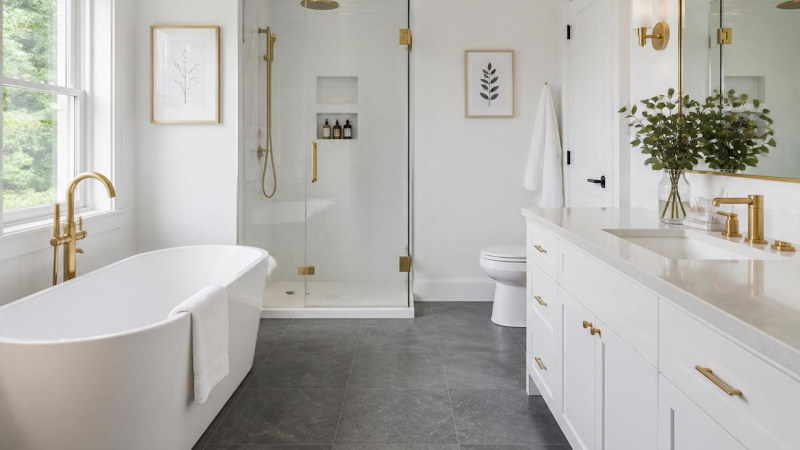
In Toronto, how much a bathroom renovation costs depends on a lot of different factors. Two bathrooms of the same size might look identical, but they can still differ wildly in price due to things like layout, condition, the type of materials used, and how much labour is involved.
Bathroom Size and Layout
Larger bathrooms need more tile, flooring, materials and labour – but size isn’t the only thing that matters.
A small bathroom with a complicated layout or hard-to-reach plumbing can sometimes cost more than a larger bathroom with a simple design.
Existing Bathroom Condition
The current condition of your bathroom can make a big difference to the cost. Water damage, mould, a buckled subfloor, deteriorated plumbing, poor ventilation, or outdated electrical components may need to be repaired before new finishes are installed.
Keeping or Changing the Layout
Keeping the existing layout can help control costs because plumbing and electrical connections may not need to be relocated.
But if you decide to move things around – say, the toilet, shower, bathtub or vanity – that can add some serious cost to the bill.
Plumbing Relocation
Relocating water supply lines or drains can add significantly to the renovation budget. The final cost depends on how far you’re moving things and how accessible the plumbing is.
Material and Fixture Selection
Tiles, vanities, countertops, faucets, toilets, shower systems and lighting are available at every price point.
Going for premium or designer products will increase the total cost, while mid-range products can strike a balance between appearance, durability and budget.
Custom Features and Finishes
Custom vanities, built-in storage, heated floors, specialty tile patterns, shower niches, frameless glass and other personalized features can increase the project price.
The more custom work your design needs, the more labour and installation time will go into making it happen.
Unexpected Repairs
Renovation work can uncover problems you had no idea were there – damaged pipes, moisture issues, structural problems, uneven floors, or outdated electrical components may all require additional work.
A 10–15% contingency budget is a practical amount to set aside for unexpected renovation costs.
The biggest cost drivers are usually layout changes, plumbing work, material quality, custom features, and hidden repairs. Planning for these factors before construction can help you create a more accurate budget.
Bathroom Renovation Cost by Bathroom Type
The type of bathroom you’re renovating also affects the budget. A powder room, main bathroom, ensuite and condo bathroom can all have very different requirements.
Small Bathroom Renovation
A small bathroom will probably need fewer materials, but the tight space can make installation more difficult.
A smaller renovation can cost a lot less when you stick with the existing layout and use standard fixtures and finishes.
3-Piece Bathroom Renovation
A 3-piece bathroom typically includes a toilet, vanity or sink, and one bathing fixture such as a bathtub or shower.
A renovation could include new flooring, wall tile, waterproofing, vanity, fixtures, lighting and a bathtub or shower, or a combination of these.
Keeping the existing plumbing locations can help control costs.
4-Piece Bathroom Renovation
A 4-piece bathroom usually has a toilet, vanity, bathtub and separate shower.
Because there are more fixtures and finishing requirements, the budget may be higher than for a basic 3-piece bathroom.
Premium fixtures, custom storage and layout changes can increase the price further.
Primary Bathroom or Ensuite Renovation
Primary bathrooms and ensuites often have fancier features like walk-in showers, double vanities, freestanding tubs, heated floors, custom cabinetry, premium tile, frameless glass and top-of-the-line fixtures.
These extras can make an ensuite renovation considerably more expensive than a standard bathroom update.
Condo Bathroom Renovation
Condo bathroom renovations in Toronto may involve additional requirements from the building.
Depending on the property, you may need condo board approval, approved work hours, elevator bookings, insurance documentation, or specific contractor requirements.
Plumbing locations may also be restricted, so it’s worth checking your building’s renovation rules before changing the layout.
Bathroom type gives you a rough idea of where to start budgeting, but the final cost depends on a whole lot of other factors – including the size, condition, layout, materials, labour and features you choose.
How Much Do Popular Bathroom Upgrades Cost?
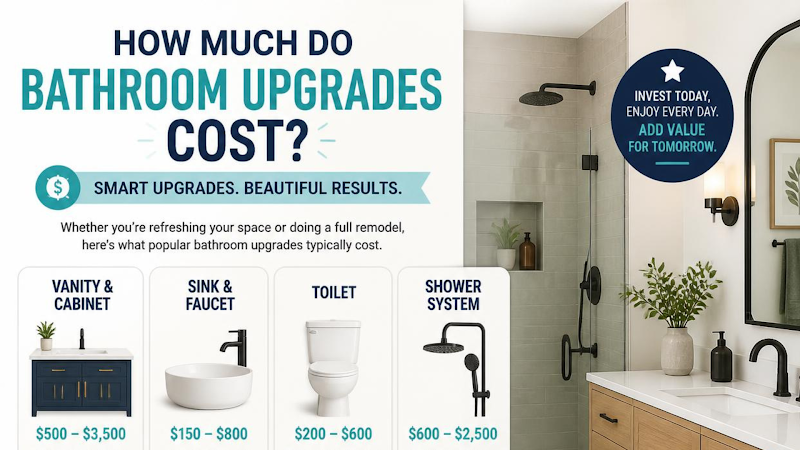
Popular upgrades can make your bathroom more comfortable, look nicer, and be easier to use, but each one affects the renovation budget differently.
Walk-In Shower
A walk-in shower can cost anywhere from $5,000 to $12,000 or more for a fairly standard installation – a more complex Toronto install can cost a lot more, depending on the shower size, waterproofing, tile, glass, fixtures and plumbing requirements.
Custom tiled showers and frameless glass set-ups generally cost more than a standard shower installation.
Bathtub
Replacing a bathtub may cost around $2,000 to $7,000, depending on the tub itself, installation, plumbing, surround and finishing work.
Freestanding and premium tubs cost more than standard models.
Bathroom Vanity
A bathroom vanity can cost anywhere from $800 to $4,000 installed, depending on its size, the material it’s made of, the countertop, and the installation requirements.
Stock vanities are usually more affordable than custom cabinetry.
Tile and Flooring
Tile and flooring for a typical renovation may cost around $2,000 to $6,000, depending on the area, the material, the preparation needed, the pattern, and the labour involved.
Natural stone, specialty tile, and complex layouts can add a lot more to installation costs.
Heated Flooring
Heated bathroom flooring can add around $1,000 to $3,000, depending on the floor area, the heating system, and installation requirements.
Additional electrical work and floor preparation may affect the final cost.
Custom Glass Shower
A custom glass shower can cost around $2,500 to $6,000, depending on the size of the enclosure, the type of glass, the hardware, and the design.
Frameless glass and unusual shower layouts generally cost more than standard enclosures.
These figures are general planning ranges, not fixed quotes. Your actual cost will depend on measurements, site conditions, product selection, labour, and the amount of plumbing or electrical work required.
How Much Does Changing the Bathroom Layout Cost?
Changing your bathroom layout can have a noticeable effect on the renovation budget.
Keeping the toilet, sink, shower and bathtub in their existing positions is generally more affordable. Moving plumbing and drains requires additional work and can increase labour and material costs.
Keeping Existing Plumbing Locations
Keeping fixtures in their current spots can help keep the plumbing work to a minimum, and that can also reduce demolition, floor repairs and reconstruction.
Moving a Toilet
Moving a toilet is usually a lot more expensive than simply replacing it in the same spot, because the drain line may need to be relocated.
The work can involve opening the floor, adjusting drainage and water connections, and repairing the affected area.
Moving a Sink
Moving a sink may require changes to both the water supply lines and the drainage, and the cost depends on how far you’re moving it and how easy it is to reach the plumbing underneath.
Moving a Shower or Bathtub
Relocating a shower or bathtub can be the most complex option, since it often involves water lines, drains, waterproofing, electrical work and floor preparation.
A larger layout change may also require additional demolition and reconstruction.
When Is a Layout Change Worth the Cost?
A layout change can be worthwhile when the existing bathroom has poor functionality, limited storage, or an inefficient design.
It can also make sense during a full renovation if the existing layout is holding you back from creating the bathroom you actually want.
What Hidden Costs Should You Budget For?

Your initial renovation quote might not include every issue hiding behind the walls, floors, or existing fixtures.
Setting aside 10–15% of your renovation budget for unexpected work can give you some financial protection during construction.
Water Damage
Old leaks can cause damage not just to the obvious wet areas, but also inside walls, under vanities, or around showers and tubs.
Damaged drywall, framing, insulation or other materials may need to be removed and replaced.
Subfloor Repairs
Water damage can weaken the subfloor beneath the bathroom flooring, and that’s a real problem if you have to rip up the entire floor to fix it.
Old or Damaged Plumbing
Older pipes, leaking connections, or damaged drains may need to be repaired or replaced, which can increase labour and material costs, particularly when discovered after demolition.
Electrical Problems
Outdated wiring, insufficient circuits, or improperly installed electrical components may need correction before you can add more lighting, outlets, exhaust fans or heated flooring.
Additional Waterproofing
Once old finishes are removed, contractors may find that the existing waterproofing isn’t up to scratch, and it may need to be redone around showers, tubs and other wet areas.
Unexpected Construction Issues
Uneven floors, damaged framing, ventilation problems and other construction issues can add unexpected costs. These problems are often difficult to identify until demolition begins.
Change Orders
A change order happens when the scope of work changes after the project has started – for example, choosing a different tile, adding a feature, or changing the layout after work begins, all of which can increase the original quote.
Always make sure your contractor documents any change, including the added cost and work involved, before you approve it.
Before starting your renovation, ask for a detailed quote that clearly lists what’s included and what isn’t. A contingency budget and clear communication can help reduce financial surprises.
Do You Need a Permit for a Bathroom Renovation in Toronto?
Not every bathroom renovation in Toronto needs the same permits – what you need depends on the work involved.
For example, a full interior alteration is likely to require a building permit, while work on the plumbing and drainage may have separate rules. The City of Toronto provides specific application guides for interior alterations and plumbing work.
When a Bathroom Renovation May Require a Permit
A building permit may be required when your renovation involves regulated construction or interior alterations.
If you’re just doing cosmetic work, like painting or replacing some fixtures, the permit process might not be as involved.
Because requirements depend on the exact scope of the job, confirm with the City before you start construction.
Plumbing and Electrical Considerations
If your renovation includes plumbing or drainage work, additional plumbing permit requirements may apply – Toronto’s current guidance includes specific processes and documentation you need to file with the city.
Electrical work in Ontario is also subject to provincial electrical safety requirements. Your contractor or a qualified electrical professional should confirm what approvals, notifications or inspections apply to your project.
Condo Renovation Requirements
If you live in a Toronto condo, you may need approval from your condo corporation or property management, in addition to any City requirements.
Building rules may cover renovation hours, elevator bookings, contractor insurance, noise restrictions, plumbing changes, structural alterations, and required deposits.
Condo approval is not a substitute for a City permit when a permit is legally required.
How to Check Permit Requirements
Before construction begins, review the City of Toronto’s Building Permit Application Guides for your project type.
If plumbing or drainage work is included, check the City’s plumbing and drain permit requirements as well.
Don’t rely on assumptions about whether a permit is required – confirm the requirements for your specific project before work starts.
How Long Does a Bathroom Renovation Take?
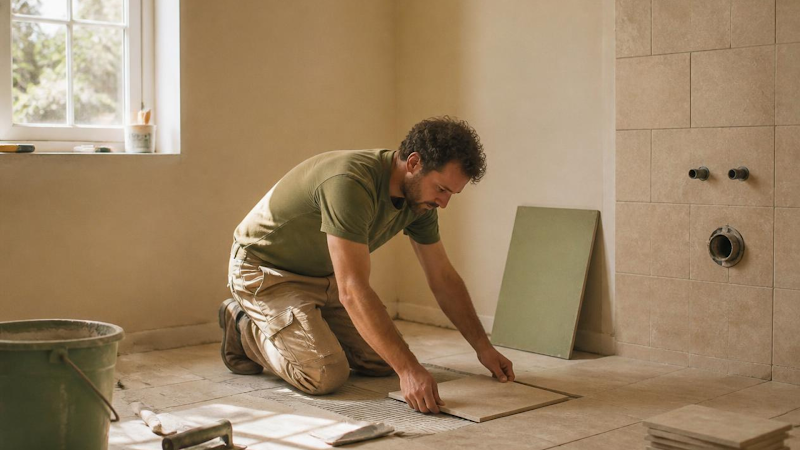
A typical bathroom renovation takes around 2 to 4 weeks of actual construction, but the whole project can take a lot longer once you factor in planning, ordering materials, permit approvals, custom work, and any unexpected repairs.
Planning and Material Selection
Before construction starts, you’ll probably need to finalize the design, choose materials and fixtures, confirm the scope, and arrange any required approvals.
Ordering major materials early can help prevent construction delays.
Demolition and Preparation
The existing bathroom is removed – fixtures, flooring, tile and everything else.
After demolition, the contractor can inspect the walls, floor, plumbing and other areas for hidden problems.
Plumbing, Electrical and Waterproofing
Plumbing and electrical work is completed before the walls and floors are closed up.
Waterproofing is then installed in wet areas, particularly around showers and bathtubs.
Tile and Fixture Installation
Next comes the flooring, wall tile, vanity, bathtub or shower, toilet, lighting, glass and other fixtures.
Custom work and complex tile patterns can increase the installation time.
Final Inspection and Cleanup
The final stage includes checking the plumbing, electrical components, fixtures, finishes and other completed work to make sure everything’s in order, followed by any required inspections and final cleanup.
How to Plan Your Bathroom Renovation Budget
Planning your budget before construction can help you control costs and make better decisions. Your budget should account for labour, materials, fixtures, permits where applicable, and unexpected repairs.
Set Your Priorities
Decide which improvements matter most before you start spending money.
You may want to prioritize a walk-in shower, better storage, improved lighting, or higher-quality tiles – this helps you spend more on the features that matter most to you.
Choose Materials Before Construction
Select your tile, vanity, countertop, fixtures, bathtub or shower, and lighting before work begins. Knowing the prices and availability of these products gives you a more accurate budget and can reduce delays.
Keep a Contingency Budget
Set aside around 10–15% for unexpected repairs or changes. Water damage, damaged subfloors, old plumbing, and electrical issues can all increase the final cost.
Where to Spend More
Consider putting more of your budget into areas that are difficult or expensive to fix later, like waterproofing, plumbing, electrical work, quality installation, and durable fixtures.
Good installation can be just as important as choosing the most expensive product.
Where You Can Save
You can often reduce costs by keeping the existing layout, choosing mid-range materials, using standard-sized fixtures, avoiding unnecessary custom work, comparing material prices, and choosing quality products without paying extra for a fancy brand name.
The best way to control bathroom renovation costs is to set your priorities early, keep the existing layout where practical, and maintain a contingency fund.
Bathroom Renovation Quote Comparison Checklist
Before choosing a contractor, check that each quote clearly covers:
| What to Check | What to Look For |
|---|---|
| Project Scope | Demolition, installation, repairs, finishing and cleanup |
| Labour | Contractor, plumbing, electrical and tile installation labour |
| Materials | Tile, flooring, vanity, countertop, fixtures, shower, tub and glass |
| Plumbing | Fixtures, pipes, drains and relocation work |
| Electrical | Lighting, outlets, switches, wiring and upgrades |
| Waterproofing | Shower and tub waterproofing and preparation |
| Permits | Required permits, applications and fees |
| Waste Removal | Demolition debris removal and disposal |
| Timeline | Estimated start date, completion date and potential delays |
| Change Orders | How additional work will be priced and approved |
| Warranty | Workmanship, installation and applicable product coverage |
| Payment Terms | Deposit, payment schedule and final payment |
Bathroom Renovation Mistake-Prevention Checklist
Before your Toronto bathroom renovation begins:
- Get a detailed written quote with inclusions and exclusions.
- Finalize the layout and design before demolition starts.
- Order major tiles, fixtures, vanity and glass in advance.
- Confirm that waterproofing is included in the scope.
- Check existing plumbing, drains, electrical systems and subfloor.
- Confirm whether permits or condo approvals are required.
- Plan adequate ventilation and storage.
- Keep a 10–15% contingency budget.
- Confirm how change orders will be approved and priced.
- Get the timeline, payment schedule and warranty in writing.
Taking just a few minutes to check these details before construction starts can help prevent costly changes, delays and misunderstandings later.
Why Professional Bathroom Renovation Matters
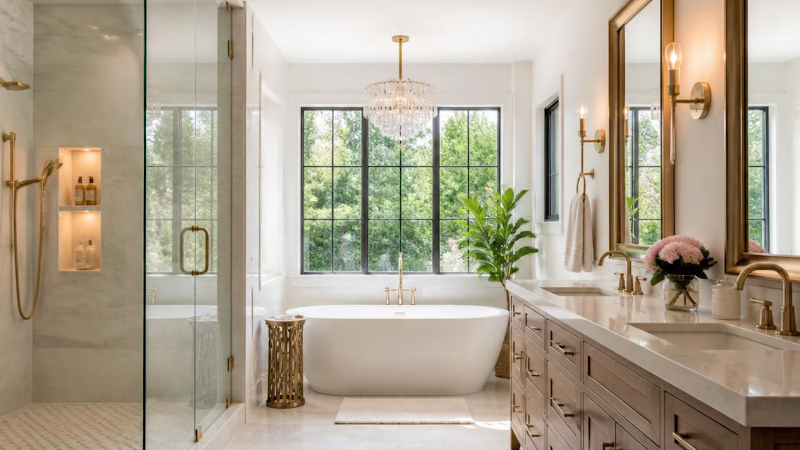
A good bathroom renovation is about more than just making the space look nicer – it’s about doing it right. With proper planning and skilled installation, you can reduce mistakes, coordinate the different trades, and make sure the important systems behind the walls are working the way they should.
Proper Planning and Project Coordination
A professional contractor can coordinate demolition, plumbing, electrical work, waterproofing, tiling and fixture installation in the correct order. Good scheduling can also reduce delays and unnecessary rework.
Skilled Plumbing and Electrical Work
Bathrooms combine water and electricity, which makes proper installation especially important. Qualified trades can help reduce the risk of leaks, drainage problems, electrical issues and future repairs.
Professional Waterproofing
Waterproofing is one of the most important parts of a bathroom renovation. Proper preparation and installation help protect walls, floors and surrounding areas from moisture damage.
Quality Control and Finishing
Professional installation helps ensure that tiles are properly aligned, fixtures are securely fitted, and finishing details are completed correctly.
The goal isn’t simply to choose the most expensive contractor – look for one with a clear scope, skilled workmanship, quality materials and transparent pricing.
Why Choose BathBuilt for Your Bathroom Renovation?
Choosing a contractor for your bathroom renovation in Toronto means looking at the services, workmanship and project process they offer.
BathBuilt.ca provides bathroom renovation services for homeowners in Toronto and the GTA, with services covering bathroom design, installation, waterproofing, tiling, showers, vanities and other renovation requirements.
Full Bathroom Renovation Services
BathBuilt.ca offers complete bathroom renovation services covering every stage of the project, from planning and material selection through to installation and finishing.
A full-service approach makes it easier to coordinate the different trades required for a bathroom renovation.
Walk-In Shower Installation
Walk-in showers offer a modern, accessible and practical bathroom layout. BathBuilt.ca offers walk-in shower installations, including shower systems and frameless glass options.
Bathroom Tile Installation
Tile is one of the most visible parts of a bathroom renovation. BathBuilt.ca offers bathroom wall and floor tile installation, with options including porcelain, ceramic, large-format and natural stone tiles.
Bathroom Waterproofing
Proper waterproofing is essential for protecting wet areas from moisture damage. BathBuilt.ca offers bathroom waterproofing services and lists Schluter® waterproofing systems among its options.
Custom Bathroom Vanities
Custom vanities provide additional storage while letting homeowners choose a design that fits their bathroom. BathBuilt.ca offers custom vanity and storage solutions, including floating vanities, cabinetry and countertop options.
Transparent Quotes and Project Management
A good detailed quote sets the stage, giving homeowners a clear picture of what to expect from a project and what they’ll be paying, right from the start.
BathBuilt.ca also highlights project management, site cleanup and warranty-backed work as part of the service they offer.
If you’re thinking about a bathroom renovation in Toronto, having a contractor who can handle multiple stages of the project can make the whole process a lot easier to manage.
Final Thoughts
There’s no one-size-fits-all figure for a bathroom renovation in Toronto. In 2026, the price for a full renovation is likely to be somewhere between $15,000 and $40,000, but smaller updates will cost less and high-end custom jobs can run well above that.
What your final budget ends up being depends on the size of your bathroom, its current condition, its layout, the materials and fixtures you choose, the labour costs, plus the plumbing, electrical work and any custom features you want to include.
Relying solely on an online average is never a good idea – instead, get a detailed quote that spells out exactly what the project scope is, the materials, the labour, any necessary permits, and what you can expect to be excluded.
Planning a bathroom renovation? Contact BathBuilt for a detailed quote for your Toronto bathroom renovation.
Frequently Asked Questions About Bathroom Renovation Costs
-
How much does a bathroom renovation cost in Toronto in 2026?
A full bathroom renovation in Toronto will likely set you back somewhere between $15,000 and $40,000 in 2026. Smaller updates might be cheaper, but high-end and luxury jobs can exceed $40,000 easily. In the end, your final price tag will depend on size, materials, fixtures, labour, plumbing and the scope of your project.
-
How much does a small bathroom renovation cost in Toronto?
A small bathroom renovation could be as low as $8,000 to $15,000 for a basic update. Yours will depend on the bathroom’s condition, what materials you choose, fixtures, labour and whether you keep the existing plumbing and layout.
-
How much does a standard bathroom renovation cost?
Mid-range bathroom renovations in Toronto generally cost around $15,000 to $30,000. That can include demolition, waterproofing, tile, flooring, a vanity, fixtures, a shower or bathtub, and installation. Change up the layout or go for premium materials, and that cost can go up.
-
How much does a walk-in shower renovation cost?
A walk-in shower can be $5,000 to $12,000 or more, depending on its size and complexity. The price also depends on whether you need waterproofing, tile work, glass, fixtures, a drainage system or new plumbing.
-
Does moving plumbing increase bathroom renovation costs?
Yes, moving plumbing does tend to add to the cost – you may need new water lines, drainage work, more demolition, floor repairs, and additional labour. Moving a toilet, shower or bathtub can be especially costly compared with keeping fixtures in their existing locations.