

What if one small bathroom renovation mistake could cost you thousands of dollars or delay your project for weeks?
For Toronto homeowners, problems such as poor waterproofing, incorrect measurements, hidden plumbing issues, weak ventilation, and poor planning can quickly turn a bathroom upgrade into an expensive headache.
The good news is that many of these problems can be prevented before construction begins. This guide covers the most common bathroom renovation mistakes to avoid, with practical tips for planning your budget, choosing materials, managing plumbing and ventilation, checking permits, and working with the right contractor.
What Are the Most Common Bathroom Renovation Mistakes?
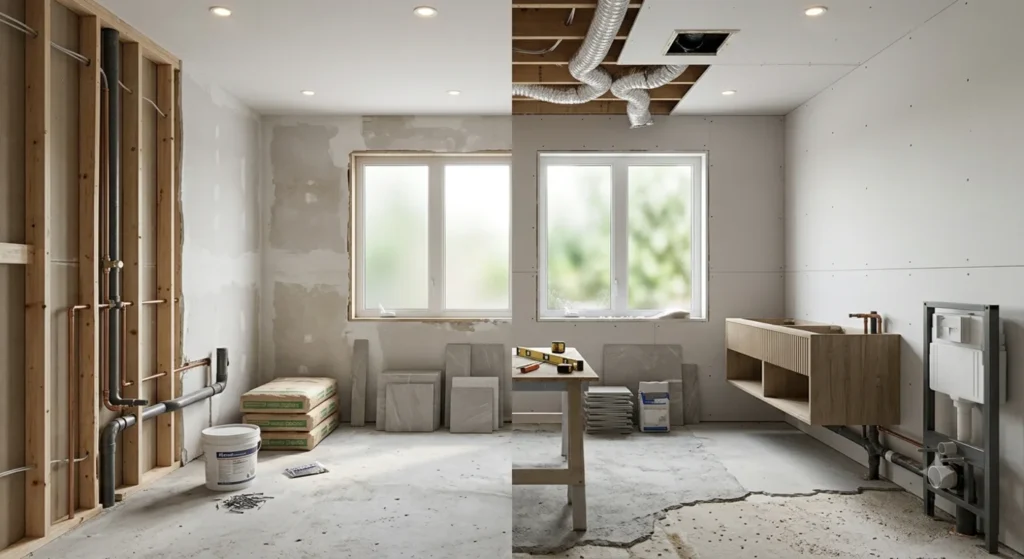
Common bathroom renovation mistakes include poor planning, inaccurate measurements, inadequate waterproofing, poor ventilation, unrealistic budgets, unsuitable materials, unnecessary plumbing changes, insufficient storage, poor lighting, and hiring an inexperienced contractor.
Skipping required permits, ordering materials too late, and making major changes after construction starts can also cause delays and additional costs.
Planning Mistakes to Avoid Before Renovation
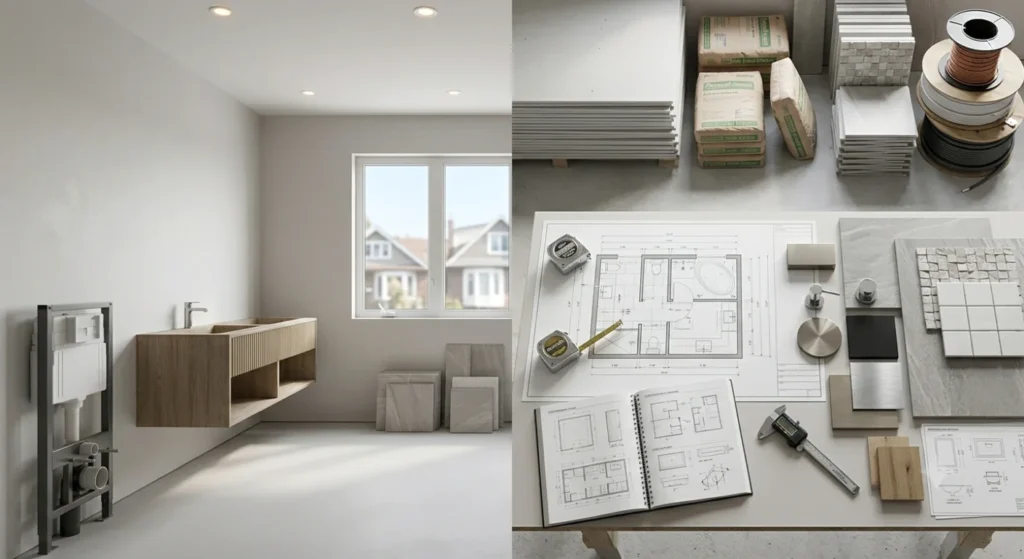
Good planning can prevent many costly problems during a bathroom renovation. Before demolition begins, confirm your layout, measurements, fixtures, materials, budget, and renovation scope.
Starting Without a Clear Renovation Plan
Starting work without a detailed plan can lead to rushed decisions, unexpected expenses, and delays.
Before your bathroom renovation in Toronto begins, decide on the layout, fixtures, materials, storage, lighting, plumbing requirements, and overall budget. A clear plan gives you and your contractor a shared direction for the project.
Choosing a Contractor Based Only on Price
The cheapest quote is not always the best option. A very low estimate may leave out important work or use lower-quality materials.
When comparing contractors, look at their experience, reviews, references, workmanship, communication, project scope, and what is included in the quote. The goal is to compare value and quality, not just the lowest price.
Buying Fixtures Before Confirming Measurements
Buying a vanity, toilet, bathtub, or shower before checking measurements can create installation problems.
Confirm the available space, plumbing locations, door clearance, and product dimensions before ordering major fixtures. This can help prevent returns, delays, and costly changes.
Making Major Changes After Work Begins
Changing the layout, fixtures, materials, or plumbing after construction starts can increase labour costs and extend the timeline.
Try to finalize major decisions before work begins. If a change is necessary, ask your contractor about the additional cost and schedule impact before approving it.
Budget Mistakes That Can Increase Renovation Costs
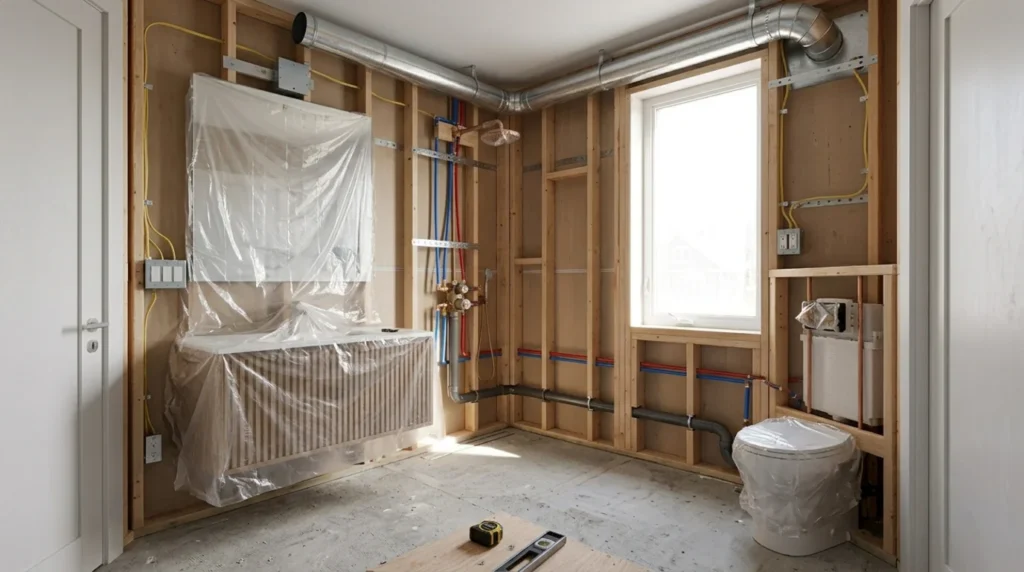
A bathroom renovation budget includes more than tiles and fixtures. Labour, demolition, disposal, plumbing, electrical work, waterproofing, permits, preparation, and unexpected repairs can all affect the final price.
Underestimating the Total Project Cost
One of the most common bathroom renovation mistakes to avoid is budgeting only for materials and basic labour.
Your total cost may also include demolition, disposal, plumbing, electrical work, waterproofing, installation, permits, and finishing. Build your budget around the complete project scope rather than individual products.
Forgetting Unexpected Repair Costs
Older Toronto bathrooms can have hidden problems behind walls or under floors, including water damage, damaged subfloors, outdated plumbing, or deteriorated materials.
Keep a contingency fund for unexpected repairs. This gives you more flexibility if an issue is found after demolition.
Cutting Costs on Critical Work
Saving money is useful, but some parts of a bathroom renovation should not be treated as areas to cut corners.
Waterproofing, plumbing, electrical work, and surface preparation directly affect safety and durability. Proper workmanship in these areas can help prevent expensive repairs later.
Comparing Quotes Without Checking What Is Included
A lower quote may not actually be cheaper if important services are excluded.
When comparing bathroom renovation quotes, check whether demolition, disposal, materials, labour, plumbing, electrical work, waterproofing, permits, and finishing are included. Ask for an itemized scope so you can compare quotes fairly.
For more information about potential project expenses, see our Bathroom renovation cost in Toronto guide.
Bathroom Layout Mistakes That Affect Functionality
A good bathroom layout should make everyday use comfortable, efficient, and safe. Poor space planning can make a bathroom feel cramped and reduce storage.
Moving Plumbing Without Considering the Impact
Moving a toilet, sink, shower, or bathtub can improve the layout, but it may also increase labour and material costs.
Before relocating fixtures, ask your contractor whether the change is practical and how it will affect your budget. Sometimes keeping existing plumbing locations is the more cost-effective choice.
Ignoring Clearances and Door Swing
Check the space around toilets, vanities, showers, and bathtubs. Make sure the bathroom door does not interfere with fixtures or movement.
Poor clearance planning can make even a reasonably sized bathroom difficult to use.
Choosing Fixtures That Are Too Large
A large vanity, freestanding tub, or oversized shower can overwhelm a small bathroom.
Measure the available space before selecting fixtures and consider walking paths, door clearance, storage, and access to other fixtures. Choose sizes that provide comfort without sacrificing useful floor space.
Forgetting Storage
Storage should be planned before the layout is finalized.
Consider where you will keep toiletries, towels, cleaning products, and everyday items. Vanity drawers, medicine cabinets, recessed shower niches, and wall-mounted storage can add useful space without making the bathroom feel crowded.
Waterproofing Mistakes to Avoid
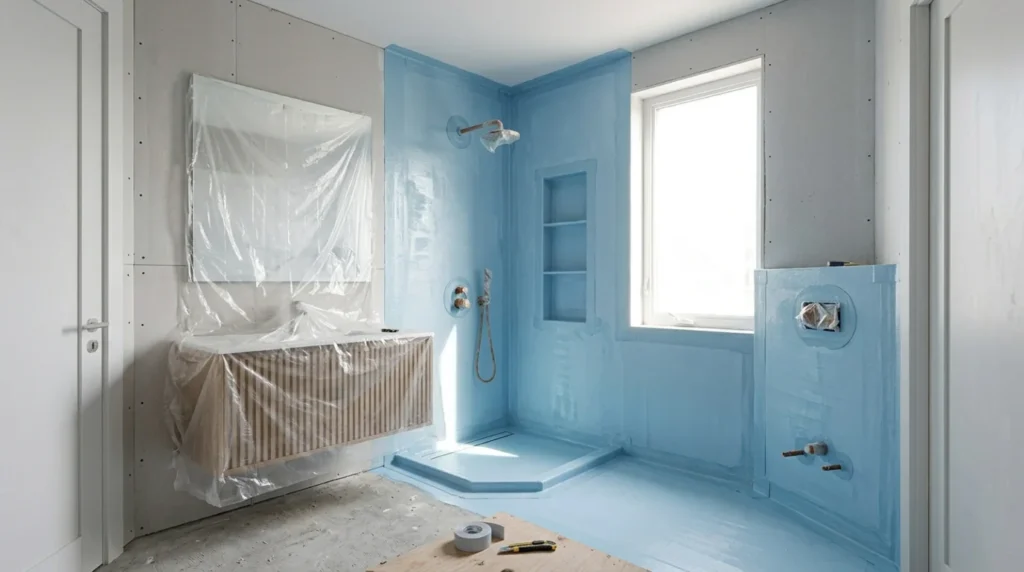
Waterproofing is one of the most important parts of a bathroom renovation. Tiles and grout alone do not provide complete waterproof protection.
Poor waterproofing can allow moisture to reach walls, floors, and framing, which may lead to water damage, mould, and expensive repairs.
Treating Tile and Grout as Waterproofing
Tiles and grout create a finished surface, but they should not be treated as the main waterproofing system.
Moisture can pass through grout joints and other gaps. Wet areas such as showers and bathtub surrounds need a properly installed waterproofing system behind or beneath the finished surface.
Skipping Waterproofing in Wet Areas
Showers, bathtub surrounds, and other areas exposed to regular water require proper waterproofing before the finished surface is installed.
Skipping this step or using an unsuitable system can allow moisture to reach the underlying structure.
Poor Sealing Around Corners and Penetrations
Corners, joints, pipes, shower fixtures, and other penetrations can become weak points if they are not properly sealed.
Make sure the waterproofing system is continuous and installed according to its requirements before the area is covered.
Ignoring Shower Drainage and Floor Slope
A shower floor needs the correct slope so water flows toward the drain instead of collecting in low areas.
Poor drainage can leave standing water and increase moisture exposure. Confirm the shower base, drain position, and floor slope before installing the final surface.
For professional protection against moisture-related problems, see our Bathroom waterproofing service.
Plumbing, Electrical and Ventilation Mistakes
Plumbing, electrical systems, and ventilation are critical parts of a bathroom renovation. Problems in these areas can lead to leaks, electrical hazards, moisture damage, mould, and costly repairs.
Ignoring Existing Plumbing Problems
Do not cover old plumbing simply because it appears to be working.
Leaking pipes, corroded connections, poor drainage, or outdated plumbing can cause problems after the renovation is complete. Inspect existing plumbing during the renovation and address necessary repairs before walls and floors are closed.
Treating Electrical Work as an Afterthought
Bathrooms combine water and electrical systems, so electrical work requires careful planning.
Plan outlets, switches, lighting, exhaust fan controls, and other electrical requirements before construction. Electrical work should be completed by a qualified professional and follow applicable local requirements.
Installing Inadequate Ventilation
Poor ventilation allows moisture to remain in the bathroom. This can contribute to mould, mildew, peeling finishes, and moisture damage.
Install an appropriately sized exhaust fan and make sure it vents moisture properly outside. Good ventilation is particularly important in enclosed or frequently used bathrooms.
Forgetting Lighting and Electrical Locations
Plan lighting and electrical locations before construction begins.
Consider vanity lighting, ceiling lights, outlets, switches, and exhaust fan controls based on how you use the space. Proper placement improves visibility and convenience while reducing the need for last-minute changes.
Tile and Material Selection Mistakes
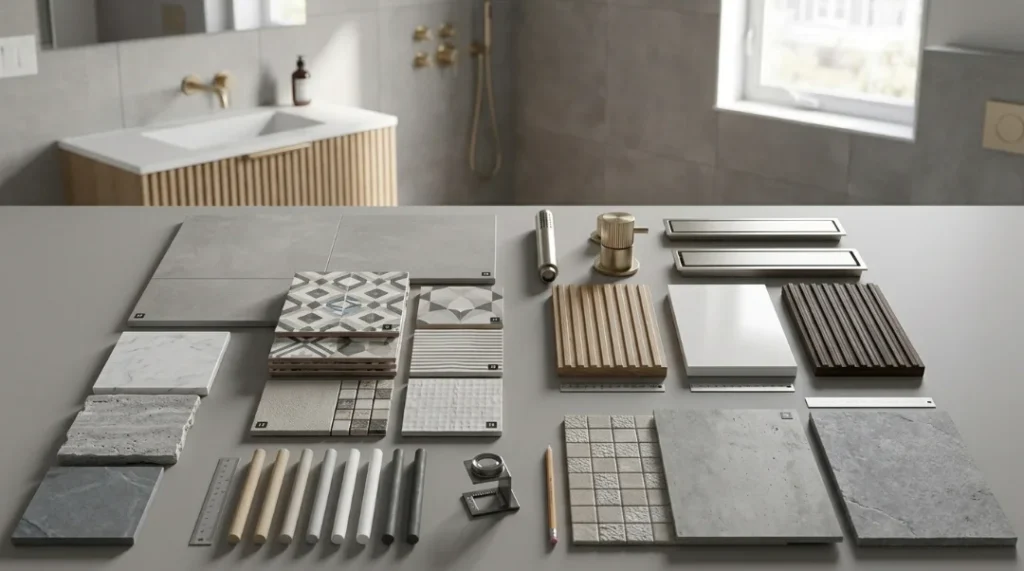
Bathroom materials need to handle moisture, regular cleaning, and daily use. A product that looks good in a showroom may not be suitable for every bathroom application.
Choosing Materials Only for Appearance
Consider moisture resistance, durability, slip resistance, cleaning requirements, and long-term performance alongside appearance.
Choosing materials only because they look attractive can result in premature wear or difficult maintenance.
Using Unsuitable Materials in Wet Areas
Not every flooring, wall finish, or tile is suitable for areas exposed to regular water.
Use products designed for bathroom conditions, particularly inside showers and around tubs. Check manufacturer recommendations before installation.
Skipping Proper Surface Preparation
Even high-quality tiles can fail when installed over a poorly prepared surface.
Before installation, the surface should be clean, stable, and properly prepared for the selected installation system. Good preparation helps reduce cracked tiles, loose tiles, and uneven surfaces.
Ordering Too Little Tile
Running out of tile during installation can delay your renovation. A replacement batch may also have a different shade or pattern.
Measure carefully and order enough material for cuts and breakage. Keeping a small amount of matching tile after installation can also help with future repairs.
Choosing Finishes That Are Difficult to Maintain
Highly textured surfaces and complicated grout patterns can require more cleaning.
Consider your daily routine before selecting materials. A bathroom should be practical to clean as well as attractive.
For professional installation and proper tile preparation, see our Bathroom tile installation service.
Toronto Bathroom Renovation Considerations
Bathroom renovations in Toronto may involve building, plumbing, electrical, condo, and property-specific requirements. Checking these requirements before work begins can help prevent delays and compliance problems.
Assuming a Bathroom Renovation Never Requires Permits
Not every bathroom upgrade requires a building permit. However, projects involving structural changes, plumbing alterations, or other major work may require approvals.
Check the applicable City of Toronto permit requirements before starting construction instead of assuming a permit is unnecessary.
Overlooking Plumbing Requirements
Changes to bathroom plumbing must meet applicable requirements for drainage, water supply, fixtures, and other plumbing work.
If you are moving a toilet, shower, or sink, confirm the requirements with your contractor before finalizing the layout.
Confusing Electrical Notifications With Building Permits
Electrical work follows a separate process from a building permit.
Depending on the work involved, an electrical notification may be required through the Electrical Safety Authority (ESA). Do not assume that a building permit automatically covers electrical requirements.
Ignoring Condo Building Requirements
Toronto condo owners may need approval from their property management or condo corporation before renovating.
Building rules may cover working hours, elevator use, noise, plumbing access, insurance, and contractor requirements. Check your building’s renovation rules before scheduling work.
Not Preparing for Older Home Conditions
Older Toronto homes may have outdated plumbing, electrical systems, uneven surfaces, or hidden water damage.
Where appropriate, include an inspection and contingency budget so unexpected conditions do not derail your renovation.
How to Avoid Costly Bathroom Renovation Mistakes
The best way to avoid costly mistakes is to make important decisions before construction starts and check critical work at each stage.
Confirm the Scope and Budget
Create a clear scope of work that lists renovation tasks, materials, fixtures, labour, and expected costs.
Confirm what is included in the contractor’s quote and keep a contingency fund for unexpected repairs.
Finalize Measurements and Product Specifications
Confirm measurements for the bathroom, vanity, toilet, shower, bathtub, doors, and other fixtures before ordering products.
Check product dimensions and installation requirements to prevent fitting and compatibility problems.
Confirm the Work Sequence
Discuss the order of work with your contractor before renovation begins.
A typical bathroom renovation may involve demolition, plumbing and electrical work, preparation, waterproofing, tiling, fixture installation, and finishing. Proper sequencing helps prevent delays and ensures important work is completed before it is covered.
Check Critical Work Before It Is Covered
Where appropriate, verify plumbing connections, electrical work, waterproofing, drainage, and surface preparation before walls, floors, or other finishes cover them.
Finding an issue at this stage is generally easier than correcting it after the bathroom is finished.
Keep Changes Documented
Keep written records of approved materials, product specifications, costs, changes, and important project decisions.
If something changes during construction, confirm the additional cost and potential schedule impact before approving it.
Bathroom Renovation Final Checklist
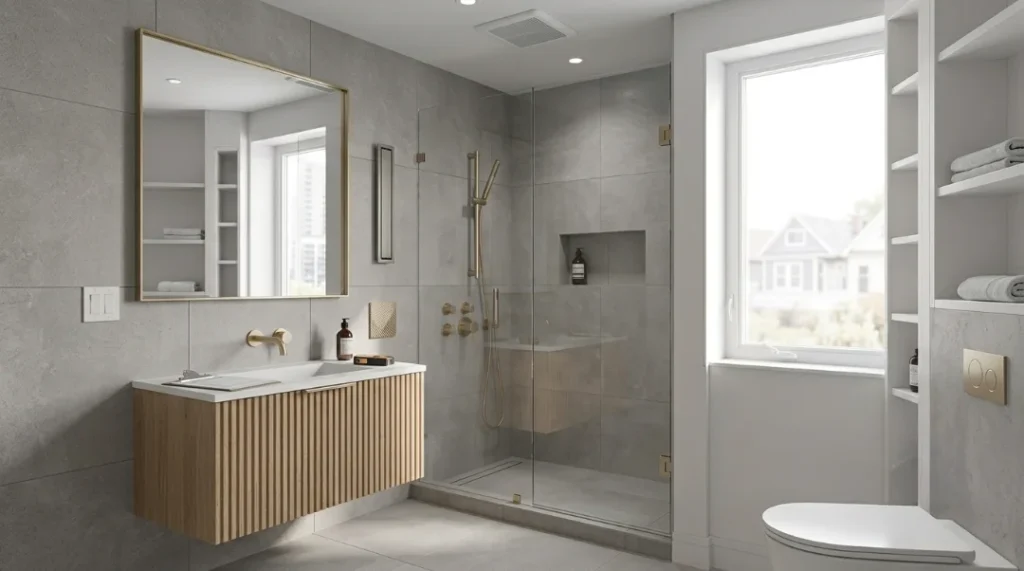
Before completing your bathroom renovation in Toronto, use this quick checklist to catch common problems before final handover.
Before Construction
- ☐ Scope confirmed — Confirm renovation work, materials, labour, and responsibilities.
- ☐ Budget confirmed — Review the total budget and contingency.
- ☐ Layout finalized — Confirm fixture, door, and storage locations.
- ☐ Measurements checked — Verify room and fixture dimensions.
- ☐ Materials selected — Confirm tiles, flooring, fixtures, and finishes.
- ☐ Permit requirements checked — Confirm applicable building and electrical requirements.
Before Final Handover
- ☐ Faucets tested — Check water flow, temperature, connections, and leaks.
- ☐ Toilet tested — Flush and check for leaks.
- ☐ Shower drainage checked — Make sure water drains properly without pooling.
- ☐ Exhaust fan tested — Confirm it operates correctly.
- ☐ Lights and outlets checked — Test switches, lighting, and outlets.
- ☐ Grout and caulking inspected — Look for gaps, cracks, or unfinished areas.
- ☐ Fixtures checked — Confirm vanities, showers, tubs, mirrors, and hardware are secure.
- ☐ Final cleanup completed — Confirm debris and construction materials are removed.
Why Choose a Professional Bathroom Renovation Contractor?
A professional contractor can help coordinate technical work, manage different trades, and maintain quality throughout the project.
A bathroom renovation may involve plumbers, electricians, waterproofing specialists, tile installers, and other trades. Proper coordination helps ensure each stage is completed in the right order.
Professional workmanship is especially important for areas such as plumbing, electrical work, waterproofing, surface preparation, and tile installation.
For homeowners planning a complete project, see our Full bathroom renovation service.
Why Choose BathBuilt?
BathBuilt is a luxury bathroom renovation contractor serving Toronto and the GTA, with services focused on bathroom design, renovation, premium materials, and professional workmanship.
Full Bathroom Renovation Services
BathBuilt provides complete bathroom renovation services, including full remodels, custom designs, shower installations, bathtub installation, vanities, tile installation, and waterproofing.
Walk-In Showers, Tubs and Custom Vanities
Bathroom options include modern walk-in showers, freestanding or alcove bathtubs, custom bathroom vanities, floating vanities, and storage solutions.
Tile Installation and Waterproofing
BathBuilt offers bathroom tile installation and waterproofing, including porcelain, ceramic, large-format, and natural stone tile options.
Toronto and GTA Service
BathBuilt serves homeowners across Toronto and the Greater Toronto Area, including North York, Vaughan, Markham, Richmond Hill, Thornhill, Aurora, Newmarket, Mississauga, Brampton, Pickering, Whitby, and surrounding communities.
Request a Bathroom Renovation Consultation
If you are planning a bathroom renovation, BathBuilt offers a consultation and free quote based on your project scope, materials, fixtures, and renovation requirements.
Ready to plan your bathroom renovation? Request a free quote from BathBuilt.ca.
Conclusion
Avoiding common bathroom renovation mistakes can save you money, time, and future repair costs. Start with a clear plan, realistic budget, accurate measurements, suitable materials, and a well-defined project scope.
Pay special attention to waterproofing, plumbing, electrical work, ventilation, drainage, and surface preparation. Toronto homeowners should also check applicable permit, electrical, plumbing, and condo requirements before construction begins.
With careful planning and professional workmanship, you can create a bathroom that is comfortable, functional, durable, and built for everyday use.
Ready to start your bathroom renovation in Toronto? Talk to BathBuilt about your layout, renovation goals, budget, and project requirements.
Frequently Asked Questions About Bathroom Renovation Mistakes
-
What is the biggest bathroom renovation mistake to avoid?
Poor planning is one of the biggest bathroom renovation mistakes to avoid. Starting without a clear layout, realistic budget, accurate measurements, and defined scope can lead to costly changes, delays, material problems, and rework once construction has already started.
-
What should I do before starting a bathroom renovation?
Before starting, finalize your bathroom layout, budget, measurements, fixtures, materials, and renovation scope. Check applicable permit requirements and discuss the project sequence with your contractor. Confirm plumbing, electrical, ventilation, waterproofing, and other critical requirements before demolition begins.
-
How can I avoid going over budget?
Create a detailed renovation budget covering labour, materials, demolition, plumbing, electrical work, waterproofing, permits, and disposal. Compare itemized contractor quotes and keep a contingency fund for unexpected repairs. Avoid major design or material changes after construction begins.
-
Is waterproofing necessary for a bathroom renovation?
Yes. Proper waterproofing is essential in wet areas such as showers and bathtub surrounds. Tiles and grout alone do not provide complete waterproof protection. A properly installed waterproofing system helps prevent moisture from reaching walls, floors, and framing.
-
Should I move plumbing during a bathroom renovation?
Only move plumbing when there is a clear benefit to the new layout. Relocating toilets, sinks, showers, or bathtubs can increase labour and material costs. Ask your contractor to assess the existing plumbing and compare the cost and benefits before changing fixture locations.
-
Should I buy bathroom fixtures before hiring a contractor?
It is usually better to consult your contractor before purchasing major fixtures. Your contractor can confirm measurements, plumbing locations, installation requirements, and compatibility. This helps prevent buying products that do not fit your space or require unexpected changes during installation.